

Pumice Stone vs Foot File vs Foot Peel: Honest Guide

Short answer first. A pumice stone and a metal foot file both scrape dead skin off today. A foot peel works differently: acids loosen the dead layer and it sheds over the next several days. Heavy build-up wants a soak and a file. Day-to-day upkeep wants a stone. A full reset wants a peel.
If you're reading this in a drugstore aisle, or scrolling a tab full of callus removers with the foot peel your girlfriend swears by sitting in the cart, that's the whole decision in five lines. The rest of this page is the honest tool-by-tool breakdown, so you buy the one that matches your feet instead of all three.
What's the difference between a pumice stone, a foot file, and a foot peel?
Two of these are abrasives. One is a chemical.
A pumice stone and a metal foot file are mechanical tools. They take dead skin off the surface by friction, the same way sandpaper takes a layer off wood. You feel the result the second you're done.
A foot peel is chemical exfoliation. Acids from the same AHA and BHA families used on faces break the bonds holding dead skin cells together. Nothing looks different on day one. Three to seven days later the old skin starts to shed on its own.
That single split, abrasion now versus chemistry over a week, decides almost everything else. How fast you see results. How much skin comes off. How easy it is to overdo. What you should never stack on the same day.
| Tool | What it does | Best for | Main risk | How often |
|---|---|---|---|---|
| Pumice stone | Light abrasion, sloughs softened skin | Day-to-day upkeep, thin to medium rough spots | Clogs and dulls; too gentle for thick callus | 2–3×/week on damp skin |
| Metal foot file | Faster abrasion, coarse + fine sides | Thicker callus, heels, quick knock-down | Easy to overdo; take off too much and skin turns raw | 1–2×/week after a soak |
| Foot peel (AHA + BHA) | Chemical exfoliation over days | A full reset when skin's built up everywhere | Not for broken or cracked skin; sun sensitivity | Roughly monthly |
| Razor / callus shaver | Blades callus off | — | Cuts, infection risk | Never |
When is a pumice stone enough?
A pumice stone is a piece of hardened volcanic foam. Rough, light, full of tiny holes. Wet it, wet your feet, and rub in small circles over the rough spots. It sands down the top layer a little at a time.
Here's the part most product pages won't tell you. A $4 drugstore pumice is a genuinely good tool. For thin-to-medium rough skin and regular upkeep, it's all you need. Anything fancier is a waste until your feet actually demand it.
When is it not enough? Two cases. If your heels are thick and yellowed and the pumice barely touches them, you've outgrown it. That's foot-file territory. And a soft, cheap pumice clogs with dead skin, crumbles, and turns slick fast. Once it stops biting, it's finished. Replace it, or step up to a denser stone that holds its grit.
That second case is why ANVIL's stone exists. The Jhama is a volcanic stone cut coarser and denser than a drugstore puck, so it keeps its bite and doesn't crumble into the drain after a month. It's coming soon, so the link below is a look and a waitlist, not a checkout.
When should you reach for a metal foot file?
A metal foot file is the faster tool. Most have two sides: a coarse side that knocks down thick callus, and a fine side that smooths the edges after. Think of it like the grit on sandpaper. Coarse to remove, fine to finish.
Speed is the upside and the trap. A file takes off skin much faster than a pumice, which is exactly why it's easy to overdo. Your calluses are there for a reason. They're padding. Take off too much and you expose the tender skin underneath.
So learn the stop signal. File on lightly damp skin. Go one direction, a few passes at a time. The moment the skin feels warm, tender, or looks pink and shiny, you're done for the day. If it stings in the shower after, you went too far. Back off next time. Less is the whole skill.
What about razor callus shavers?
Don't. A razor or metal callus shaver cuts skin faster than you can judge how deep you're going, and a slip opens a wound on a part of your body that's sweaty and hard to keep clean. That's the setup for an infection, and it's how a lot of people end up at a clinic over a callus. A file and a stone are the aggressive end of what's safe at home. Leave blades to a podiatrist.
What does a foot peel actually do, and who shouldn't use one?
A foot peel is the heavy option, and the only one on this list that's chemical. You get a pair of plastic booties pre-soaked in acids. You wear them for 60 minutes, up to 90 for thick skin, then rinse and wait. Over the next 3 to 7 days the dead skin peels away in sheets. It looks dramatic. That's the acids doing in a week what a stone does a little at a time.
The acids are the same families used on faces. AHAs like glycolic and lactic acid, plus a BHA, salicylic acid, that gets down into thicker callus. ANVIL's foot peel mask runs an AHA + BHA system built for feet, not a floral spa scent. It's coming soon too.
Here's the honest part, because a peel is the one tool on this page that can hurt you if you skip the rules:
- Patch-test first. Dab a little on a small patch of skin and wait 24 hours before you do both feet. If it burns or reddens badly, it isn't for you.
- Sun sensitivity is real. An AHA makes your skin more likely to burn in the sun. Wear sunscreen, cover up, and go easy on sun exposure while you're using it and for about a week after.
- Not for broken skin. Do not use a peel on cracked, split, raw, irritated, or infected skin. It's for thick, rough, intact callus, not open heels. If your heels are already cracked and splitting, that's a soak-and-cream job first.
- Don't stack it. No file, no stone, no second peel on the same day. Stacking two exfoliations is how you go from smooth to raw and sore.
- Check with a pro if it applies. If you have diabetes, neuropathy, or poor circulation, talk to a healthcare professional before using any peel. Reduced feeling in the feet plus a strong acid is a bad thing to guess at.
Follow those and a peel is the closest thing to a full reset. Use it about once a month, not more. Let the skin shed on its own. Don't pick or pull the loose pieces, or you'll tear skin that isn't ready to go. A daily warm soak during the peeling week speeds the shedding along.
Why does every one of these work better after a soak?
One rule ties all three tools together. Soften the skin first.
Dead skin is easier and safer to take off when it's warm and hydrated. Dry callus is hard and grippy, so a stone or file has to work harder, and that's when people gouge. Give your feet 15 minutes in warm water first and the same few passes remove more skin with less effort. The peel is the exception on timing, since you apply it to clean, dry feet, but the daily soaks during the peeling week are what move the dead skin along.
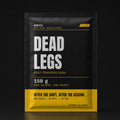
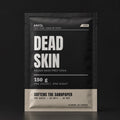
This is the step you can act on today. ANVIL's stone and peel are still coming, but the Skin-lane soaks are here now at $14. Cracked Earth and Dead Skin do the softening before you ever pick up a tool. Ten minutes in the basin, then file or stone on skin that's ready for it. It's also the first step of a full men's foot-care routine, the one most guys skip and then wonder why the file feels like it's dragging.
The setup, start to finish
- Soften it (today): ANVIL Skin-lane soaks, $14. Cracked Earth for thick, dry heels. Dead Skin for all-over rough upkeep. Ten minutes in a basin before any tool.
- Sand it (coming soon): The Jhama, a denser volcanic stone for day-to-day upkeep. See it and join the waitlist.
- Reset it (coming soon): the foot peel mask, an AHA + BHA peel for a monthly deep exfoliation. See it and join the waitlist.
- Seal it: after a peel or a heavy file day, the right foot cream locks the softness in overnight.
No razors. Soak first, then match the tool to your feet.
Common questions
Should you file your feet wet or dry?
After a soak, when the skin is soft but patted mostly dry or just barely damp. A metal file bites best on softened skin, and soaking first means fewer passes for the same result. Skip filing bone-dry, hard callus. That's when people gouge. Don't file waterlogged skin either. You can't feel how much you're taking off.
How often can you use a foot peel?
About once a month. The peeling itself runs 3 to 7 days after you wear the booties, and your skin needs the rest of the month to rebuild the layer that protects your feet. Peeling more often than that leaves skin thin, pink, and sore. If you want to smooth things out between peels, that's what the stone and the soak are for.
Why does dead skin keep coming back?
Because it's supposed to. Calluses are your body's response to load and friction: pressure from standing, walking, and shoes. As long as you're on your feet, they rebuild. No tool cures that. You're managing it, not fixing it once. Steady upkeep with a stone beats a big aggressive scrape every few months.
Stone or file: which is better for beginners?
Start with a stone. It's slower, which sounds like a downside but is exactly what you want while you're learning how much your feet can take. A file rewards a light hand and punishes a heavy one. Get a feel for it with a pumice, then add a file when a stone stops keeping up with thick heels.